Showing posts with label Arabic. Show all posts

Monday, March 16, 2026

Toddler Arabic Week 3: Numbers 1–10 — الأرقام (il-ar'am)

Part of the Toddler Arabic series — one toddler-sized topic each week, taught realistically in the cracks of a busy schedule.

The focus this week is numbers one through ten. I'm planning to attach counting to things we already do on repeat — stairs, snacks, toes — so the numbers arrive for free. The goal isn't him counting to ten by Friday; it's him hearing the sequence so often it starts to feel like furniture.

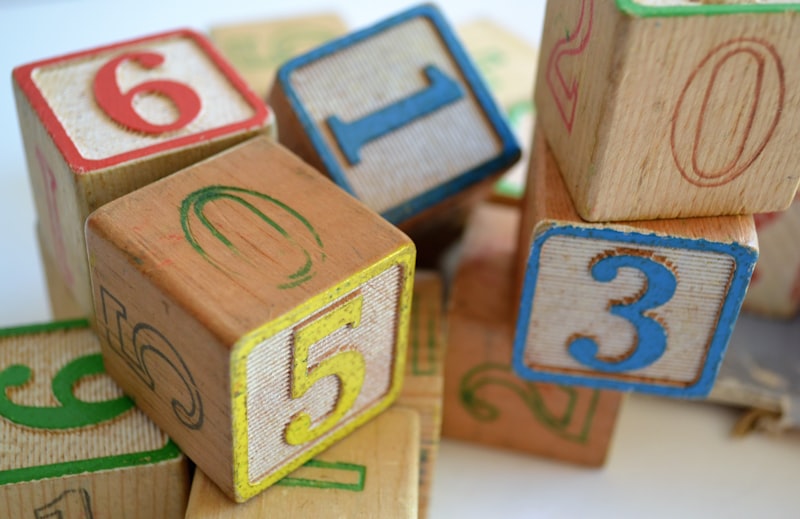
Wooden toy blocks


This week's words

  • واحد (wahad) — one
  • تنين (tnen) — two
  • تلاتة (tlateh) — three
  • أربعة (arb'a) — four
  • خمسة (khamseh) — five
  • ستة (sitteh) — six
  • سبعة (sab'a) — seven
  • تمانية (tmeneh) — eight
  • تسعة (tis'a) — nine
  • عشرة ('ashara) — ten


How we practiced

  • Stair counting: one number per step, every single trip up — built-in repetition. My mom does this in English so I have started to do this in Arabic when I'm with him.
  • Snack math: counting blueberries into the bowl (and recounting after he eats three).
  • Bath time: counting fingers and toes — captive audience.
  • Cleanup countdown: counting toys into the bin — occasionally it even doubles as a cleanup trick.
  • I count: I have certain tasks I always count in. For example, when I put him into his car seat, I count to three in Arabic. He doesn't have to participate, but he hears me doing it.

Free printables & activities

Get the free Toddler Arabic printable pack

Pop your email in below and I’ll send the whole set — every week’s color-and-trace printable, in Arabic — straight to your inbox.

No spam, ever — just the printables and the occasional new post. Unsubscribe in one click. Privacy policy.

How I love Arabish Way, you should definitely check them out more; however, here is a printout of Arabic numbers if you are wanting something graphic to show your little ones.

From our playlist

Two number songs on our playlist this week: الأرقام ١ إلى ١٠ (Numbers 1 to 10) by Adam Wa Mishmish, and Keno 3ashra 3a Sarir (Ten in a Bed) by Lila TV — the Arabic version of a song he already knows the tune to, which is cheating in the best way.

How it actually went

Numbers were the easy win this week — honestly, as they were not really new. We’ve been counting to ten with him long before this, so the sequence was already there; this week just put an extra effort on something he could mostly already do and to counter active the English he hears everywhere else. The most low-effort week yet, and I’ll happily take it.

Stuck / flopped

What I didn’t do much of was actually show him the numbers. We don’t have a puzzle with the Arabic numerals, so there was nothing tactile for him to match the shapes to — it stayed all verbal. An Arabic number puzzle is officially going on his Eid list, and that’s the piece I’d have worked on if I’d had it. Also I may have leaned into the low-effort week a little too much and I had opportunity to review colors and shapes from the prior weeks.

Share:
Continue Reading →

Monday, March 9, 2026

Toddler Arabic Week 2: Shapes — الأشكال (il-ashkal)

Part of the Toddler Arabic series — one toddler-sized topic each week, taught realistically in the cracks of a busy schedule.

The focus this week is shapes. My plan is low-effort on purpose: point at the shapes already scattered through our day — crackers, plates, the shape sorter he already owns — and name them in Arabic as we go. If he repeats one, great; if not, he heard it, and that counts.

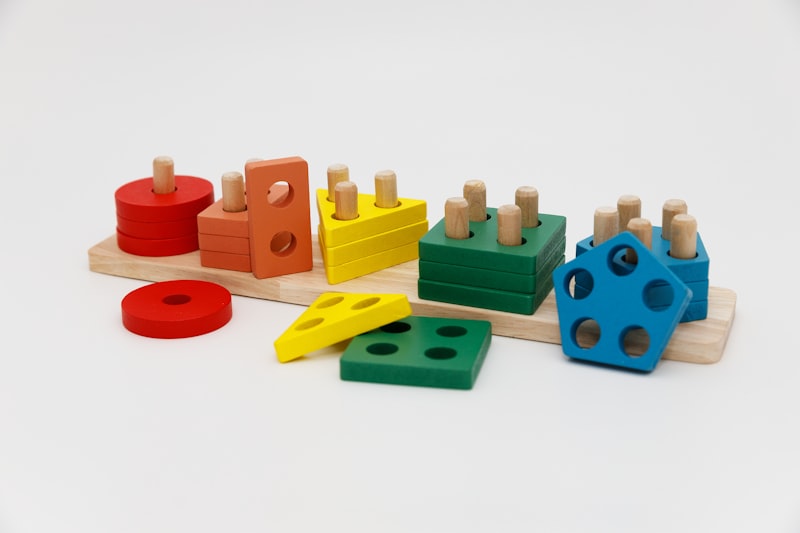
Wooden shape sorter toy with colorful blocks

This week's words

  • دايرة (dayra) — circle
  • مربع (muraba') — square
  • مثلث (musallas) — triangle
  • مستطيل (mustatil) — rectangle
  • نجمة (nijmeh) — star
  • قلب ('alb) — heart
  • بيضاوي (baydawi) — oval

A little dialogue we use

Me: شو هالشكل؟ (shu hal-shakl?) — What shape is this?
Him: دايرة! (dayra!) — Circle!
Me: شاطر حبيبي! و هدا؟ (shatir habibi! w hada?) — Clever, sweetheart! And this one?
Him: مربع! (muraba’!) — Square!

How we practiced

  • The shape puzzle he already owns: we pull it out and I name each piece in Arabic as he fits it in (or flings it across the room) — دايرة, مربع, مثلث, one at a time.
  • The flashcard toy: I’m honestly not much of a flashcard person, but we have the toy where you slide a card in and it announces what’s on it. I pulled out just the color and shape cards, so those were the only ones available to him — and we let it call the shapes out as he fed them in. If you want real shape cards and not just a toy, 123arabic has a free printable set of Arabic shape flashcards — a print-and-cut PDF plus six bright cards. Fair warning: it skips نجمة, قلب, and بيضاوي (and throws in hexagon and rhombus instead), and the words are written in fully-voweled MSA — دَائِرَة where we’d say دايرة.
  • English shape books: I grabbed our English shape books and read most of it in English, but swapped in the Arabic word for each shape as we went — saying مربع (muraba’) where the page says “square.” A tiny bilingual switch that costs nothing.
  • Snack shapes: the crackers are مربع (muraba’), the plate is دايرة (dayra) — mealtime doubles as a free little lesson.

Free printables & activities

Realistic Me's free Arabic Shapes trace-and-color printable — a 7-page PDF (one page per shape: circle, square, triangle, rectangle, star, heart, and oval) with a big outline of the shape plus a few everyday things that share it to color, the Arabic shape word big and bright, and a light-gray version of the word to trace for older learners. Print it on regular paper. Grab it below.

Get my free shapes tracing sheet

Pop your email in below and I’ll send the printable straight to your inbox — the seven shapes we use, in Arabic, ready to trace and color.

No spam, ever — just the printable and the occasional new post. Unsubscribe in one click. Privacy policy.

From our playlist

الأشكال (The Shapes) by Adam Wa Mishmish is this week's anthem from our Arabic songs playlist — barely over a minute long, which is exactly one toddler attention span.

Another one on repeat this week: Ma3 Nina (With Nina) — Shapes, a sweet little Lebanese-for-toddlers episode that names each shape in exactly the dialect we speak at home.

How it actually went

Full honesty: I wasn’t super diligent this week. We got the shape puzzle and the flashcard toy out a few times and he was into it in short bursts, but I didn’t keep the momentum going the way I’d planned. The easiest win was the English shape books — he was already happy to sit for a book, so slipping the Arabic shape word in cost me nothing. دايرة (dayra, circle) is the one that seems to be sticking, probably because it’s everywhere: his plate, his snacks, every wheel he owns.

Stuck / flopped

Honestly? The whole week felt a little half-finished, and that’s on me, not him. Shapes clearly need another pass, so I’m planning to circle back and give them a proper try during a toy rotation focused just on shapes — when the puzzle and the shape cards are the main things out and available to him. Round two, coming whenever we get there.

Share:
Continue Reading →

Monday, March 2, 2026

Toddler Arabic Week 1: Colors — الألوان (il-alwan)

Part of the Toddler Arabic series — one toddler-sized topic each week, taught realistically in the cracks of a busy schedule.

The focus this week is colors — the thing he already points at all day anyway. I'm planning to keep it embedded in normal life: crayons, toys, shirts, and one homemade game (below) that cost exactly zero dollars. No sit-down lessons; just naming colors out loud until they stick.

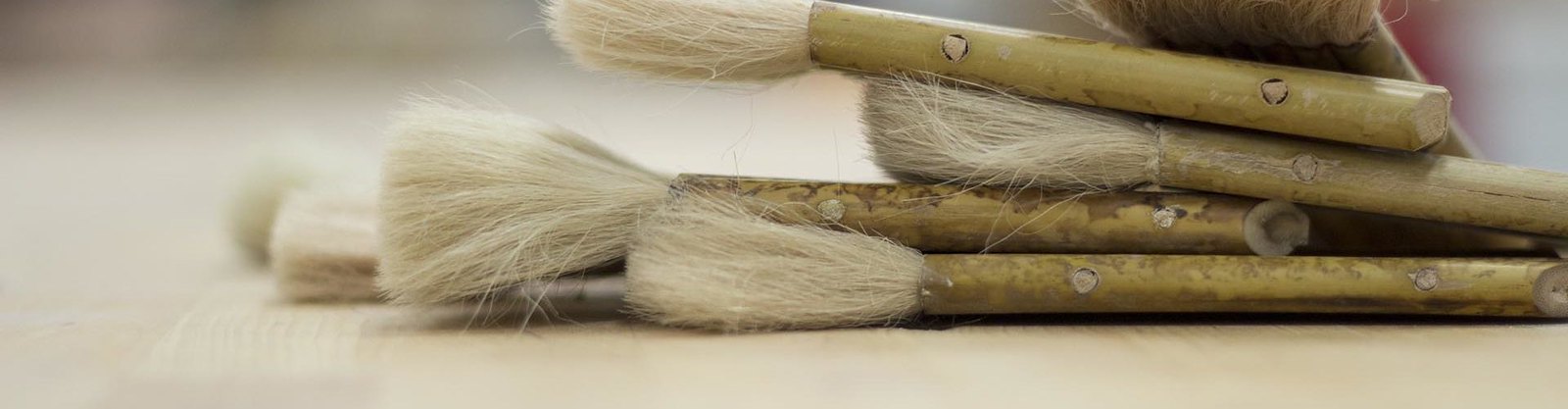
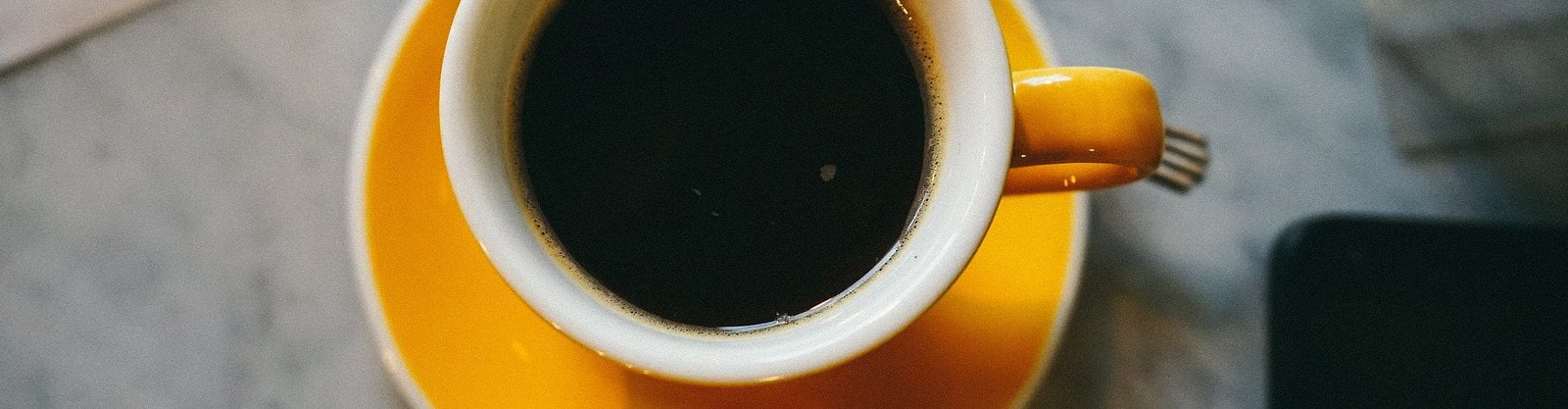
Crayons in a yellow box


This week's words

  • أحمر (ahmar) — red
  • أزرق (azra') — blue
  • أخضر (akhdar) — green
  • أصفر (asfar) — yellow
  • بنفسجي (banafsaji) — purple
  • زهري (zahri) — pink
  • برتقاني (burtu'ani) — orange
  • أبيض (abyad) — white
  • أسود (aswad) — black

A little dialogue we use

Me: شو هاللون؟ (shu hal-lon?) — What's this color?
Him: أحمر! (ahmar!) — Red!
Me: برافو حبيبي! وهادا؟ (bravo habibi! w hada?) — Bravo, sweetheart! And this one?
Him: أزرق! (azra'!) — Blue!

How we practiced

  • The wipe-top color board: a DIY board made from cardboard and old diaper-wipe lids. I painted a color under each lid — he flips one open, and I say the color. He opens, I name, repeat forever. Zero dollars, endless entertainment.
  • Color hunt: "Where's something ahmar?" around the living room — toddlers love a mission.
  • Crayon narration: naming each color in Arabic as he picks it up, no pressure to repeat.
  • Block sorting: making piles by color and naming each pile as we go.
  • Car window game: calling out car colors on the drive — easy wins on busy days.

A closer look: our wipe-top color board

Here’s the little homemade game I mentioned up top. Every lid stays closed and plain white, so first we just look at the board and guess the color we think is hiding underneath.

First we guess the colors…

Then he flips the lid open and we check — purple, green, orange, pink, blue, or red. Part color lesson, part tiny surprise, every single time.

…then lift the flap to check!

If I’d been thinking ahead, I probably would have wrapped the cardboard in some pretty colorful wrapping paper to make the whole thing look a little more polished. But honestly? He had so much fun “painting” the cardboard instead — all those happy dabs of color you see are his handiwork — and the brushwork turned into a sneaky little hand-eye coordination workout. So the “messy” version kind of turned out to be the whole point.

Free printables & activities

Realistic Me's free Arabic Colors trace-and-color printable — a 6-page PDF (one page per color: red, blue, green, orange, pink, and purple) with the Arabic color word big and bright, a simple picture to color in, and a light-gray version of the word to trace for older learners. Print it on regular paper. Grab it below.

Get my free Arabic colors printable

Pop your email in below and I’ll send the printable straight to your inbox — six colors, in Arabic, ready to trace and colour.

No spam, ever — just the printable and the occasional new post. Unsubscribe in one click. Privacy policy.

My specific pick for colors: A Crafty Arab’s Arabic Colors Animal Poster — a bright poster that teaches the color words in Arabic, with each color actually written out in that color (starring the same lovable animals as their alphabet poster). Easy to point at on the wall and name colors together.

Color songs we're playing

From our Arabic songs playlist: الألوان (The Colors) by Adam Wa Mishmish is the color anthem of the week — short, catchy, and on repeat in the car. Bonus color word: عندي سمكة دهبية (3endi Samaki Dahabiyyi) sneaks in dahabi — gold.

And a straight-up colors lesson: Learn Colors in Arabic — For Babies & Toddlers (تعلم الألوان بالعربية) by Kalam Kids — simple, slow, and made exactly for little ones learning their colors. This is the one I keep coming back to: it lines up so much better with my two-year-old’s actual vocabulary level, and it’s very much a “Ms. Rachel”-style video. Ms. Rachel is our English show of choice around here, so this one feels like the Arabic counterpart to what he already loves watching.

And straight from Adam Wa Mishmish themselves: قوس قزح للأطفال 🌈 — The Rainbow Colors (Adam Wa Mishmish) — their bright little rainbow song. My go-to when we need a quick screen break that still sneaks the color words in.

Also on our watch list: أهلاً سمسم: لوحة بسمة وجاد الجديدة — an Ahlan Simsim (the Arabic Sesame Street) episode about Basma and Jad’s new painting. Not a song, but a sweet little colors-and-art tie-in for the week. Fair warning: this is the most advanced of everything I’ve linked here — the Kalam Kids, Adam Wa Mishmish, and Kiki wa Nadoush videos are much more toddler-level, while this one is a full episode. I’m keeping it in the mix as more of a stretch, aspirational watch we can grow into.

How it actually went

The lift-the-flap board was a genuine hit. He loved flipping the little lids open, and he’d laugh every single time I named the color as he opened one. If I’m honest, I don’t think it was really about the colors — it was more the cause-and-effect thrill of it: “I do this, and Mom does something!” But I’ll happily take it. It’s turned into a little toy he pulls out every so often, and it’s officially in the rotation as something he just plays with.

The block game was a win too. Sorting the blocks into color piles, he was much more willing to actually try to repeat the words back to me.

Stuck / flopped:

Having to explain that "blue" changes with the gender of the noun it describes — azra' for masculine, zar'a for feminine. Fail on mom's part: I don't do gender agreement well myself, so I fumbled the explanation and probably taught him a few wrong pairings along the way. We'll fix it together later.

The hardest part, by far, was that Arabic color words change form depending on grammatical gender — whether the thing you’re describing is masculine or feminine. That just doesn’t exist in English, so it does not come naturally to me at all. I kept defaulting to the masculine form (the version I originally learned) and basically guessing my way through. At one point my husband actually shouted from the kitchen that what I’d just said wasn’t right! So I did what any tired mom would do and shortcut around it: I’d point, say an enthusiastic “Yeah! Azra’!” (blue!), and keep the game moving.

I also didn't love how much I had to depend on the screen time this week. It was a busy work week with a toddler at home, so these things are going to happen, but wasn't a huge win having to plop him in front of the TV more than I would have liked. 
Share:
Continue Reading →

Monday, February 23, 2026

Arabic, Take Two: Teaching My Two-Year-Old

If you've poked around this site before, you know the Languages section — chapter by chapter through Mango's Levantine Arabic course, vocabulary lists, playlists, and plenty of honest moments about how hard learning a language as a busy adult really is.

A quick note before I dive in: I’m kicking this series off right as he turns two, and I already know some of it is probably a little advanced for where he is right now — and that’s completely okay. My plan is to keep circling back to it as he grows and develops over the year (and, if I’m honest, as my own Arabic grows and develops right alongside him). We’ll figure it out together.

A lot has changed since those posts. The biggest change? I'm a mom now! My son is two, and we're starting a brand new language adventure together: I'm teaching him Arabic.

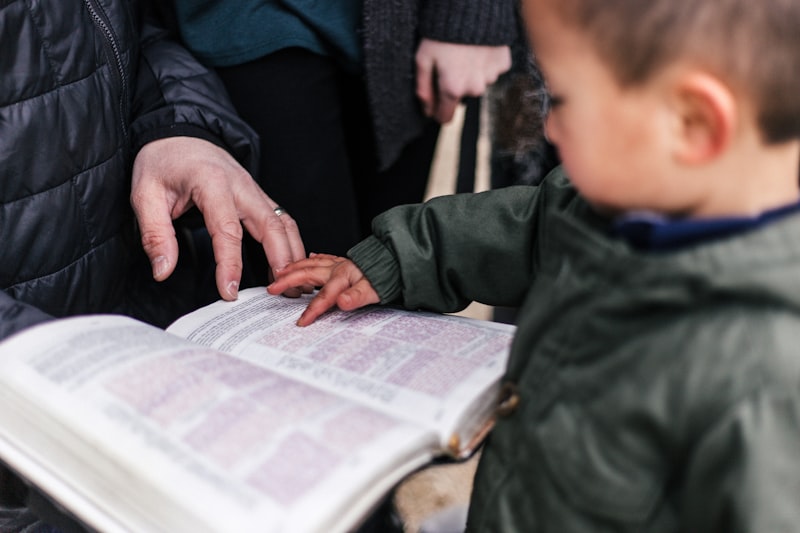
Toddler pointing at the page of a book

Keeping it real, as always

Let's get the realistic part out of the way first. I'm not a fluent speaker. I'm a busy working parent. There will be no color-coded curriculum, no flashcard drills with a toddler (have you met a two-year-old?), and no promises of a perfectly bilingual kid by kindergarten.

What there will be: songs in the car, Arabic words at the dinner table, books before bed, and me learning right alongside him — usually about two words ahead.

What to expect from this series

Just like the rest of this site, I'll only post what we've actually done — including the failures:

  • Weekly posts — one toddler-sized topic each week: what we're working on, what stuck, and what we didn't get to (or completely flopped)
  • Resource roundups — the books, songs, and shows that actually hold a toddler's attention
  • Little wins — because the first time he uses an Arabic word on his own, the whole internet is going to hear about it
Open book with Arabic text

If you're trying to share a language with your kids — whether you're fluent, still learning, or somewhere in between — follow along. We'll figure it out together, realistically.

Share:
Continue Reading →

Saturday, November 14, 2020

Arabic: Compliments and Corrections

Wow at this point of the course, we have learned so much. We are in this awkward state where we know almost 1,000 words, but there are so many more that we need to learn. It can be an exciting point of learning Levantine Arabic, but lets be honest, it can be discouraging as well. 

We have put in been so much time to put into learning, and we are only 15% of the way through the whole course. Some words can still be a challenge and we are still learning more. Recognize this feeling and don't try to push it aside. 

You're not the only one going through this, and try to join a community that is also learning. Know that there may be challenging words now, and as you continue to work these words will become easier and easier. You will look back and laugh at how you struggled with certain things.

Mango Unit 2, Chapter 7, Slide 1 Mango Unit 2, Chapter 7, Slide 2 Mango Unit 2, Chapter 7, Slide 3 Mango Unit 2, Chapter 7, Slide 4 Mango Unit 2, Chapter 7, Slide 5
Know this and keep persevering; you will get this and you will learn more and more. I'm certainly feeling this way at this time and will try to take the advice above. I'll focus on the vocabulary and grammar taught in this lesson, and do a review of the past lessons. 

Remembering to be gentle as I make mistakes and to celebrate my successes. Below is the vocabulary from this chapter. 

Vocabulary List


In addition to the this chapter, I have resources below. If you're feeling good go ahead and dive into the details below. If you are overwhelmed, take a break and focus on just the Mango Languages lessons. You don't have to do more, and sometimes more is not best!

  • Mango has great review features at the end of each section including a reading and listening exercise. Also check out the flashcard and recap option!
  • All the vocab words are on my Memrise page.
  • Check out my chapter summary of this lesson.
  • We expanded on the word to speak in this chapter. Check out this video that goes over all the conjugations of this word in Arabic.
  • Remember that ‘fi’ means there is/there are. In this chapter we see it come back as how to ask someone if he/she can do something. Check out this video to review how we have learned this word in past chapters.
  • Songs to help train your ear. Note: it is far too early in your learning to understand a song completely. The point is to familiarize yourself with the different sounds commonly used in Arabic and to keep an ear out for the words you have learned.
    • Listen to my Levantine Arabic Spotify list as you work and see what you pick up.
    • Remember that song, Albi eh Albi, we listened to in a previous lesson as additional work. Here is a more in-depth explanation of that song, which includes more of our vocab words from this chapter.

Share:
Continue Reading →

Thursday, November 12, 2020

Arabic: Clarification and Requests


I'm not sure if we will have another chapter with only 35 new vocabulary lists or less, so definitely take advantage of this chapter. It has a small list, and great grammar lessons so is an amazing opportunity for us to catch up previous difficult vocabulary words and to really understand some of the grammar lessons.

Also with there being a limited amount of vocab words taught in this lesson, we are able to focus on our pronunciation and how we are forming sentences. We can ask native Arabic speakers who to say a particular word and how to expand upon the explanation. 

Mango Unit 2, Chapter 6, Slide 1 Mango Unit 2, Chapter 6, Slide 2 Mango Unit 2, Chapter 6, Slide 3 Mango Unit 2, Chapter 6, Slide 4 Mango Unit 2, Chapter 6, Slide 5 Mango Unit 2, Chapter 6, Slide 6
After you are done reviewing the grammar lessons in this chapter, do make sure that you take note of the vocabulary. The list may be small, but it is mighty! This lesson provides a lot of essential verbs and words that we will need to know well as we continue to learn Levantine Arabic. 

Make sure you review the list thoroughly, and since it is so short, maybe skip the 80% rule this time around. Make sure you can pronounce every word clearly and have it memorized before moving on. This will help as you continue on to future lessons. 

Vocabulary List


If the short vocabulary list left you wanting more, check out the sources below!
  • Mango has great review features at the end of each section including a reading and listening exercise. Also check out the flashcard and recap option!
  • Review my chapter summary and vocabulary list here! Add it to your collection from the previous chapters. 
  • All the vocab words are on my Memrise page.
  • If possible, sit down with a native Arabic speaker and ask them how your pronunciation is of the vocabulary you have learned. This is a great chance to use the grammar and vocab of this chapter to review the vocabulary of the past lessons.
  • Songs to help train your ear. Note: it is far too early in your learning to understand a song completely. The point is to familiarize yourself with the different sounds commonly used in Arabic and to keep an ear out for the words you have learned.
    • Listen to my Levantine Arabic Spotify list as you work and see what you pick up.
Share:
Continue Reading →

Monday, November 9, 2020

Arabic: Help and Requests


Lots of stuff is happening in this chapter! So excited to start learning different tenses and how to form sentences that are longer and more in depth. It really is exciting and will help us understand potential conversations easier in the future. 

In addition to the new grammar we learn more vocabulary around 'help' scenarios. If an emergency comes up, we will be able to communicate it and get the appropriate help. That is essential vocabulary, but isn't something we will learn every day.

Mango Unit 2, Chapter 5, Slide 1 Mango Unit 2, Chapter 5, Slide 2 Mango Unit 2, Chapter 5, Slide 3 Mango Unit 2, Chapter 5, Slide 4 Mango Unit 2, Chapter 5, Slide 5 Mango Unit 2, Chapter 5, Slide 6 Mango Unit 2, Chapter 5, Slide 7 Mango Unit 2, Chapter 5, Slide 8
Remember the 80% rule (moving on when you are comfortable with 80% of the vocabulary), and try to move through the chapter. Don't get hung up on certain words because there is a chance these won't be things we use in our everyday vocabulary. 

It may seem counter intuitive, but how often do you use the words like: tooth or medicine in every day life. Yes we know them easily in English, but remember you are just starting out in learning Arabic. Be kind to yourself and be ok that you might not remember the word for tooth all the time. As you continue to learn these words will become cemented in your memory, but for now learn with grace. 

Vocabulary

With learning this new grammar, we also get an idea of how far we have to go still. There is still an extreme amount of vocabulary that needs to be learned and even more grammar! So hang in there and we will get through this together. 

  • Mango has great review features at the end of each section including a reading and listening exercise. Also check out the flashcard and recap option!
  • All the vocab words are on my Memrise page. 
  • Check out my chapter summary and vocab list!
  • If you are wanting more information about the past tense and the different suffixes for each person, check out this read by Team Maha.
  • Songs to help train your ear. Note: it is far too early in your learning to understand a song completely. The point is to familiarize yourself with the different sounds commonly used in Arabic and to keep an ear out for the words you have learned.
    • Listen to my Levantine Arabic Spotify list as you work and see what you pick up. 
    • This Nancy Ajram song is extremely popular and fairly easy to follow. This is especially true with the new vocabulary we learn in this chapter like heart and left. See if you can pick it up!

Share:
Continue Reading →

Thursday, November 5, 2020

Arabic: Transportation and Payment

Whew this is another vocabulary and grammar packed lesson! What is exciting is that we learn the verb conjugation for he and she. We use it in sentences like the train is leaving and the plane is leaving, but we can see we are close to forming sentences about other nouns (beside I and you). 

The grammar along with the vocabulary we learn will help us get around the Middle East. The more verbs we learn the more we will be able to converse more and more. 

Mango Unit 2, Chapter 4, Slide 1 Mango Unit 2, Chapter 4, Slide 2 Mango Unit 2, Chapter 4, Slide 3 Mango Unit 2, Chapter 4, Slide 4 Mango Unit 2, Chapter 4, Slide 5 Mango Unit 2, Chapter 4, Slide 6 Mango Unit 2, Chapter 4, Slide 7 Mango Unit 2, Chapter 4, Slide 8 Mango Unit 2, Chapter 4, Slide 9
Learning how to form the numbers is very challenging. For me, they are difficult to hear and then quickly translate into English in my mind. I find myself even having this problem in English, so I do not think it is uncommon!

And it is not just listening to the numbers and understanding what is said, but there are grammar lessons you have to remember when dealing with numbers. When to say mea for hundred or to change it to 'meet'. 

As always take it slow and with patience. This may be something you struggle with for awhile and then one day you're thinking "OMG! I understood that!" Remember the 80% rule (move on from the chapter once you can remember 80% of the lesson) and try to move on with ease and understanding that there will be more challenges. 

Below is the vocabulary that is covered in this lesson of Mango Languages. 

Vocabulary List


If this chapter left you wanting more you crazy Arabic learner you, below are some resources that will be helpful for you to study this lesson. 

  • Mango has great review features at the end of each section including a reading and listening exercise. Also check out the flashcard and recap option!
  • All the vocab words are on my Memrise page.
  • Print out this chapter summary and review the vocab list.
  • We have learned a lot of different words with several pronoun endings. Listen to this video to understand all the pronouns and how to compose these in Arabic.
  • This chapter covers a lot of vocabulary and verb formations. Take a moment to review what you have learned in the past and really concrete the vocabulary and basic grammar understanding.
  • Songs to help train your ear. Note: it is far too early in your learning to understand a song completely. The point is to familiarize yourself with the different sounds commonly used in Arabic and to keep an ear out for the words you have learned.
    • Listen to my Levantine Arabic Spotify list as you work and see what you pick up.


Share:
Continue Reading →

Arabic: Food and Drink Culture


Finally we are to a section that I know I will be using A LOT of vocabulary! And this is what the chapter consists most of: vocabulary. We learn all sorts of food and verbs to helps us order and prepare food. 

There isn't much grammar covered in this chapter; however, we do see some new things. We learn the word "we make." In previous lessons we have only learned the verb formation for I or you. Now we are learning how to say sentences that include ourselves and other people. 

This is very exciting as we hope to be able to speak to many people, not just one on one conversations in the future. I like to imagine myself sitting around a table with many other Arabic speakers enjoying amazing food and conversation when I practice this chapter!

Mango Unit 2, Chapter 3, Slide 1 Mango Unit 2, Chapter 3, Slide 2 Mango Unit 2, Chapter 3, Slide 3
Since the grammar is light in the chapter, take advantage of the additional time to really concrete the vocabulary in this and previous lessons. We have covered a lot of new words and it is good to review to insure our future success in learning the language!

Vocabulary List


If you haven't had enough (and props to you because we have learned a lot already) you can check out these sources below. Remember to not get overwhelmed or try to learn too much at once as this will hinder your advancement in learning Levantine Arabic!

  • Mango has great review features at the end of each section including a reading and listening exercise. Also check out the flashcard and recap option!
  • Check out my chapter review!
  • Goes over the verb I want and don’t want in more detail.
  • This is a pretty advanced video going over verbs related to eating. Has other good vocab you can pick up on while going over some of the verbs we learn in this chapter.
  • All the vocab words are on my Memrise page.
  • Listen to Brett Weer talk about the phrase صَحْتَين.
Share:
Continue Reading →

Arabic: Currency and Counting


Whoa do the prices in this chapter seem extremely high!? I struggled to focus on the numbers I was learning when I was thinking "They want how much for a newspaper?!" Also the speed of the speakers and listening to the numbers was extremely difficult, even without the sticker shock. 

The vocabulary is 'simple' enough, but applying it all at the rate the app calls for is challenging. The grammar and diving deeper into idaffa constructions makes me really feel like we are in Unit 2. Along with the idaffa constructions getting more complex, we start to learn regular and irregular plurals. 

It may not seem like a lot in these two paragraphs, but when paired up with grammar we have learned in other chapters we are really starting to ramp up our knowledge in Levantine Arabic. Remember to use the 80% rule and to focus on pronunciation. 

This chapter is a good reminder to slow down and focus on on the material. Below is the vocabulary and really take your time to get comfortable with it as it has commonly used verbs and words.

Vocabulary List


If you're going above and beyond and need more resources for studying check out the links below!

  • Mango has great review features at the end of each section including a reading and listening exercise. Also check out the flashcard and recap option!
  • Check out this units chapter summary!
  • All the vocab words are on my Memrise page. 
  • This video goes over the verb to have in more detail. 
  • Listen to my Spotify list that has Levantine Arabic songs to help train your ear!

Share:
Continue Reading →